

Overnight Baby Sleep Support FAQ
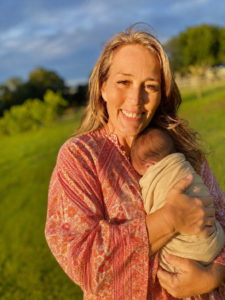
Dear parent,
Welcome
If you’re reading this page, you’ve probably reached the point where you’re looking for more than quick tips or another sleep program. You’re considering inviting me into your home to support your family, and that’s a decision that deserves thoughtful answers—not a rushed phone call.
Over the past 25 years, I’ve found that most parents ask remarkably similar questions before booking. Rather than asking every family to schedule a discovery call, I’ve brought those conversations together here.
This page has been written carefully, and intentionally in great detail. It answers the questions I’m most often asked about my approach, what happens during an overnight stay, investment, travel, preparation, policies, and what you can realistically expect before, during and after my time with your family.
Because my practice is intentionally small and highly personalised, I don’t offer discovery or sales calls. I’d much rather dedicate my time to the families I’m already supporting while ensuring every prospective family has access to the same thorough information whenever it suits them.
Once you’ve read this guide and submitted your booking request, I’ll personally review your enquiry and give you a brief call to confirm the details, answer any final questions that aren’t already covered here, and confirm your preferred start date before sending your tentative booking invoice. These calls are intentionally brief—usually around 10 minutes—as they’re designed to finalise your booking, not replace the comprehensive preliminary consultation.
Once your booking has been confirmed, we’ll schedule a dedicated preliminary consultation before my arrival. This is where we’ll discuss your baby’s history, current routines, your goals, and begin preparing together so we can make the most of my time with your family from the moment I arrive.
Because this page is also indexed by Google, you may arrive here while searching for the answer to just one question. If that’s the case, feel free to use the contents below to jump straight to the information you’re looking for.
If you’re considering making a booking, however, I do recommend taking the time to work through the page in full. It has been written to answer the questions most families ask before inviting me into their home, and submitting a booking request assumes you’ve had the opportunity to read and consider the information provided.
I know it’s detailed, but that’s intentional. My goal is for you to finish this page with a clear understanding of how I work, what to expect, and whether my approach feels right for your family.
Warm wishes,
Raquel Tara
Common Questions Before Booking
1. What does overnight support actually involve?
2. How do I decide between 4 or 5 nights?
3. Why is there a 5-night minimum for interstate and long-distance bookings?
4. Are travel fees included in the package price? What if my location isn’t listed?
6. Isn’t my baby too young to sleep train?
7. What sleep training method does Raquel Tara use?
8. Will my baby be left to cry during overnight sleep training?
9. How are night feeds handled during overnight sleep training?
10. Do you stay with my baby all night?
11. What if we’ve already tried sleep training before?
12. Will my baby sleep through the night afterwards?
13. What happens during the 14 days follow-up?
14. Is this different to a night nanny service?
15. How does FIFO overnight support work?
16. What locations do you travel to?
What does overnight support actually involve?
This is not a quick-fix sleep consultation or a standard night nanny service.
Raquel’s specialised overnight service focuses exclusively on in-home sleep support for babies aged 0–12 months and includes preparation, multi-night in-home support, daytime nap guidance and 14 days of follow-up support after the stay.
On the first afternoon, Raquel arrives at approximately 4pm and spends time getting to know your baby through calm observation, play, feeding and interaction. Once your usual bedtime routine is complete, Raquel takes over settling and overnight care while you rest.
Your baby is supported to fall asleep in their cot, with Raquel responding to wakes throughout the night and adjusting her level of intervention according to what she observes.
Over the following nights, support evolves as your baby begins to understand and adapt to a different way of falling asleep and returning to sleep.
Daytime nap coaching is also introduced gradually during the stay, including appropriate awake windows, cot-based nap settling and helping parents understand nap timing and rhythm.
Most families find that meaningful and lasting improvements in sleep require several days of consistency. This is why Raquel works with families over a minimum of four consecutive nights rather than providing a single-night intervention or a plan for parents to implement alone.
How do I decide between 4 or 5 nights?
For families in Sydney, Canberra, Brisbane, the Gold Coast and other locations where return travel from Raquel’s HQ in Byron Bay can generally be completed within eight hours, both 4 and 5-night Overnight Sleep Coaching packages are available.
The 4-night package is a complete overnight sleep coaching program and achieves excellent outcomes for many families.
A 5-night stay allows additional time for overnight sleep to stabilise, daytime naps to become more established, and for parents to recover before taking over independently.
Outside of your baby’s age, the main considerations are what has come before, the complexity of the current sleep situation and your baby’s individual temperament.
For babies aged 9–12 months, the 5-night option is required.
For Melbourne, Darwin, Perth, Bali and other long-distance or international destinations, overnight sleep coaching is offered as an all-inclusive 5-night package.
The additional night makes a significant difference. By this stage, many babies are consolidating their new approach to sleep, there is more time to reinforce daytime naps and troubleshoot remaining challenges, and parents have greater confidence taking over independently.
Why is there a 5-night minimum for interstate & long-distance bookings?
Five nights is the ideal length for Raquel’s in-home overnight sleep support, allowing the greatest opportunity to consolidate changes, work through daytime naps and ensure parents feel confident continuing once she leaves.
For this reason, Raquel’s service is offered exclusively as a five-night package for interstate and long-distance locations. With the significant travel involved, five nights ensures families receive the maximum benefit from Raquel’s time with them in their home.
Are travel fees included in the package price? What if my location isn’t listed?
Travel is included in the published package investment for all locations featured on this website.
This includes published packages for Byron Bay & Northern Rivers, Sydney & Canberra, Brisbane & Gold Coast, Melbourne, Perth, Darwin and Bali, along with other locations specifically listed with investment fees on this website.
If your location is not listed, Raquel may still be able to travel to you. A travel surcharge to the base package investment may apply depending on your location and the travel required.
To request availability and investment fees for an unlisted location, select the package of the location closest to you and submit a booking request. You will then be advised of any applicable travel surcharge.
What is the average wait time for Raquel Tara’s overnight service? Are urgent priority bookings available?
The average wait for Raquel Tara’s in-home overnight baby sleep support is 14–21 days.
Yes. Urgent priority bookings are available. Raquel intentionally blocks off selected dates to accommodate newborns, urgent referrals and families requiring short-notice support. This means some families, logistics permitting, can be supported within 24–72 hours.
If you require an urgent priority booking, please make a clear note of this on your booking request. Raquel confirms booking requests within 24 hours. Families who can be accommodated on a priority booking will be contacted within 1–8 hours.
Isn’t my baby too young to sleep train?
For young babies, Raquel is not “sleep training” in the way most people imagine.
During the newborn stage, Raquel uses her approach to Newborn Sleep Shaping. The goal is not complete independence or expecting a very young baby to self-settle before they are developmentally ready.
Instead, the focus is on gently shaping the way a baby experiences sleep, feeding and settling. This can include appropriate feeding and awake windows, digestion, the sleep environment, settling techniques, day and night rhythms and understanding normal newborn sleep behaviour so that unnecessary interventions are reduced.
The aim is to help young babies relax enough to let sleep come and remain asleep for longer stretches, while reducing reliance on feeding, movement, holding or other interventions where appropriate.
Supporting these foundations during the first twelve weeks can make later sleep transitions considerably smoother and can often avoid the need for more traditional sleep training later.
What sleep training method does Raquel Tara use?
Raquel Tara is not a traditional sleep trainer and does not follow a prescribed sleep training method. Families engage Raquel for her experience, professional judgement and highly individualised approach—not to select a method for her to implement.
There are many factors to consider, including a baby’s age, development, temperament, feeding and digestion, current sleep associations, level of tiredness, emotional response, sleep environment and how they respond to different forms of support.
Depending on the baby and what is happening in that moment, Raquel may use elements of holding, patting, rhythmic tapping, picking up and putting down, hands-on reassurance, or giving the baby space and time to settle. The level of intervention may change throughout the stay as she observes the baby, learns how they respond and determines what they need.
This is one of the reasons Raquel works in the family home overnight. Rather than prescribing a method in advance or giving parents a generic plan to implement, she is there to assess the baby herself, make professional decisions in real time and adapt her approach as the work progresses.
Booking Raquel is not about choosing a sleep training method or directing which settling techniques she should use. You are engaging her professional expertise to determine the most appropriate approach for your baby.
There is therefore no single method to approve before booking—and no predetermined sequence of techniques that can accurately be prescribed before Raquel has met and observed your baby.
Will my baby be left to cry during overnight sleep training?
No. Raquel Tara does not leave babies to cry alone. However, respectful sleep training does not mean preventing all crying. Crying is communication, and some babies will cry as they adjust to a different way of settling and sleeping.
There is an important difference between leaving a baby alone to cry for extended periods without support and allowing a baby some space to process frustration and change within a supported sleep-learning process.
Raquel’s role is not to silence every cry immediately. Babies may cry because something feels different, unfamiliar, frustrating or emotionally intense. This does not automatically mean that they are unsafe, abandoned or in genuine distress.
During the initial settling process, Raquel may remain present while a baby works through falling asleep without previous sleep associations such as feeding, rocking, sucking, movement or being held fully to sleep.
Depending on the baby and the situation, support may include holding, picking up and putting down, patting, rhythmic tapping, hands-on reassurance, or allowing the baby some space and time to settle.
There may also be times when a baby protests or cries after Raquel leaves the room. In these situations, she may allow some space before intervening depending on factors including:
• the intensity of the cry
• whether it is escalating
• the baby’s temperament
• age and developmental stage
• how tired or overtired they are
• what Raquel has already observed about that individual baby
Some babies become more escalated with too much hovering, interaction or repeated intervention. Others require more reassurance and hands-on support.
The approach is adjusted in real time based on the individual baby.
Intervention occurs when Raquel determines that a baby is becoming genuinely overwhelmed or dysregulated—not simply because they are vocal, frustrated or protesting change.
Many parents find that one of the most valuable parts of working with Raquel is learning to recognise the difference between protest, frustration, overtiredness, sleep crying and genuine distress.
The goal is not leaving a baby to cry. The goal is helping them experience that they are capable of relaxing and falling asleep without requiring constant intervention every step of the way.
How are night feeds handled during overnight sleep training?
Night feeding is assessed individually and is not approached with a blanket rule. Raquel considers the baby’s age, weight, growth, daytime feeding, solids where appropriate, feeding history and current nutritional needs when determining how night feeding should be managed.
For some babies, an overnight feed remains appropriate. For others, frequent night feeding may have become part of an established waking and settling association rather than a nutritional requirement.
Because Raquel is present throughout the night, she can observe the circumstances surrounding each waking, how the baby responds to settling, how they feed and how they return to sleep afterwards.
This allows feeding and sleep to be considered together rather than treating every overnight wake automatically as a need to feed.
The objective is never simply to remove feeds in order to make a baby sleep through. Feeding and sleep are considered together as part of the overall assessment of the individual baby.
Do you stay with my baby all night?
Yes. Raquel stays in your home overnight and takes responsibility for settling and responding to your baby while you rest.
On the first evening, Raquel remains with your baby during the initial settling process while they begin adjusting to falling asleep in a different way.
Once your baby is asleep, Raquel remains responsible for responding to their overnight wakes.
This does not mean that she remains physically beside the cot every minute of the night. The amount of presence and hands-on support evolves according to your baby’s responses and their increasing ability to settle with less intervention.
The approach changes night by night—and sometimes wake by wake—based on what Raquel is observing.
What if we’ve already tried sleep training before?
Many of Raquel’s clients come to her after previous sleep training attempts with other consultants or residential sleep stays.
Raquel’s approach differs because she does not simply provide instructions or prescribe one single method for parents to carry out themselves.
She works directly with your baby overnight inside your home, observing what is actually happening and adjusting her support according to the baby’s responses in real time.
Previous attempts also provide useful information. What has and has not worked before, how your baby responded, their temperament and the sleep associations that have developed are all taken into consideration.
As Raquel often tells families: “I can’t promise your baby will be the first baby in 25 years I haven’t been able to help. But no ethical professional can promise that every baby will respond identically.”
The aim is significant, developmentally appropriate improvement in overnight sleep, settling and overall sleep consistency—not unrealistic perfection.
Will my baby sleep through the night afterwards?
The goal is to achieve the best developmentally appropriate overnight sleep your individual baby is capable of—not to make a blanket promise that every baby will sleep for exactly the same number of hours.
Age, weight, feeding needs, temperament, development, previous sleep associations and what has come before can all affect how quickly and how completely overnight sleep consolidates.
For some babies, this means sleeping through the night without parental intervention. For others, a developmentally appropriate overnight feed may remain while the rest of their unnecessary waking and resettling reduces significantly.
Raquel’s work focuses on helping babies fall asleep and return to sleep more effectively, reducing unnecessary intervention and establishing an approach that can continue once she leaves.
The objective is lasting improvement in the quality and duration of your baby’s sleep—not achieving an arbitrary definition of “sleeping through” at the expense of their individual needs.
What happens during the 14 days follow-up?
Your support does not end when Raquel leaves your home.
For the following 14 days, you receive extended text, phone and voice support between 9am and 9pm while you take over and integrate what has been established during the stay.
This period allows Raquel to guide you through the transition, answer questions, review sleep and feeding information, make adjustments where necessary and help you respond consistently as your baby continues to consolidate the changes.
Parents are encouraged to keep a simple record of sleep and feeding during this period so that changes can be assessed in context rather than from one difficult nap or night in isolation.
A wrap-up consultation is scheduled at the conclusion of support to review progress and prepare you for upcoming developmental changes.
Ongoing consultations after this period are available exclusively to previous clients.
Is this different to a night nanny service?
Yes. A standard night nanny service is generally focused on overnight care and helping parents get through the night. Raquel’s work focuses specifically on improving the baby’s sleep itself.
A night nanny may feed, settle and care for your baby overnight so that you can rest, but the intention is usually respite.
During Raquel’s Overnight Sleep Support, she is observing why your baby is waking, how they fall asleep, what interventions they currently rely upon and what needs to change for sleep to become more sustainable.
She then works directly with your baby over consecutive nights, gradually adapting her support as their sleep changes.
The goal is not simply to survive the nights while Raquel is there. The goal is helping your baby sleep more effectively once she leaves.
How does FIFO overnight support work?
FIFO stands for Fly-In Fly-Out.
Raquel is based in Byron Bay and travels to families throughout Australia—and selected international locations—to provide the same in-home overnight service she provides locally.
For fly-in bookings, Raquel travels to your location and stays in your home overnight while carrying out the sleep support over the consecutive nights included in your package.
Published package prices for locations listed on this website include the applicable travel costs.
If Raquel can reasonably travel to your home, she can usually help.
What locations do you travel to?
Raquel regularly provides overnight support across Australia, including:
• Byron Bay & Northern Rivers
• Gold Coast
• Brisbane
• Sydney
• Canberra
• Newcastle
• Melbourne
• Perth
• Bali
Regional locations are also often possible.
If your location is not published on the website, submit a booking request using the package closest to your location and Raquel will advise whether travel is possible and whether any additional travel surcharge applies.
What happens before the stay begins?
Preparation begins before Raquel arrives at your home.
Once your booking is confirmed, you receive your Welcome Pack and preparation materials.
You then complete detailed intake information for Raquel to review before your preliminary consultation.
A preliminary video consultation is scheduled before the stay begins so Raquel can understand your baby’s current sleep, feeding, routines and circumstances and begin making small guided adjustments where appropriate.
This preparation is not intended to prescribe exactly how Raquel will settle your baby once she arrives. The detailed hands-on approach develops through direct observation of your individual baby in the home.
The purpose of the preparation period is to ensure that Raquel arrives with a thorough understanding of what has come before and that the home, routine and family are ready for the work to begin.
Booking & Cancellation Policy
Bookings are confirmed upon payment and all bookings are final.
Booking Commitments: Payment secures your scheduled service and is non-refundable for standard changes of mind or cancellations. Dates are not held without payment.
Illness Policy: If your baby becomes ill within 7 days of Raquel’s scheduled arrival date, one date change is permitted. The rescheduled booking must fall within 30 days of the original booking date.
Third-Party Expenses: Where flights, accommodation or other external travel arrangements have already been booked, any non-refundable expenses, fare differences or change fees associated with changing your booking are payable by the client.
Consumer Guarantees: This policy does not exclude, restrict or modify your statutory rights under Australian Consumer Law. Where a service fails to meet an applicable consumer guarantee, you retain the remedies available to you under the law.
All dates remain available until a booking confirmation has been issued.
What does overnight support actually involve?
This is not a quick-fix sleep consultation or a standard night nanny service.
Raquel’s specialised overnight service focuses exclusively on in-home sleep support for babies aged 0–12 months and includes preparation, multi-night in-home support, daytime nap guidance and 14 days of follow-up support after the stay.
On the first afternoon, Raquel arrives at approximately 4pm and spends time getting to know your baby through calm observation, play, feeding and interaction. Once your usual bedtime routine is complete, Raquel takes over settling and overnight care while you rest.
Your baby is supported to fall asleep in their cot, with Raquel responding to wakes throughout the night and adjusting her level of intervention according to what she observes.
Over the following nights, support evolves as your baby begins to understand and adapt to a different way of falling asleep and returning to sleep.
Daytime nap coaching is also introduced gradually during the stay, including appropriate awake windows, cot-based nap settling and helping parents understand nap timing and rhythm.
Most families find that meaningful and lasting improvements in sleep require several days of consistency. This is why Raquel works with families over a minimum of four consecutive nights rather than providing a single-night intervention or a plan for parents to implement alone.
How do I decide between 4 or 5 nights?
For families in Sydney, Canberra, Brisbane, the Gold Coast and other locations where return travel from Raquel’s HQ in Byron Bay can generally be completed within eight hours, both 4 and 5-night Overnight Sleep Coaching packages are available.
The 4-night package is a complete overnight sleep coaching program and achieves excellent outcomes for many families.
A 5-night stay allows additional time for overnight sleep to stabilise, daytime naps to become more established, and for parents to recover before taking over independently.
Outside of your baby’s age, the main considerations are what has come before, the complexity of the current sleep situation and your baby’s individual temperament.
For babies aged 9–12 months, the 5-night option is required.
For Melbourne, Darwin, Perth, Bali and other long-distance or international destinations, overnight sleep coaching is offered as an all-inclusive 5-night package.
The additional night can make a significant difference. By this stage, many babies are consolidating their new approach to sleep, there is more time to reinforce daytime naps and troubleshoot remaining challenges, and parents have greater confidence taking over independently.
Are travel fees included in the package price? What if my location isn’t listed?
Travel is included in the published package investment for all locations featured on this website.
This includes published packages for Byron Bay & Northern Rivers, Sydney & Canberra, Brisbane & Gold Coast, Melbourne, Perth, Darwin and Bali, along with other locations specifically listed with investment fees on this website.
If your location is not listed, Raquel may still be able to travel to you. A travel surcharge to the base package investment may apply depending on your location and the travel required.
To request availability and investment fees for an unlisted location, select the package of the location closest to you and submit a booking request. You will then be advised of any applicable travel surcharge.
Isn’t my baby too young to sleep train?
For young babies, Raquel is not “sleep training” in the way most people imagine.
During the newborn stage, Raquel uses her approach to Newborn Sleep Shaping. The goal is not complete independence or expecting a very young baby to self-settle before they are developmentally ready.
Instead, the focus is on gently shaping the way a baby experiences sleep, feeding and settling. This can include appropriate feeding and awake windows, digestion, the sleep environment, settling techniques, day and night rhythms and understanding normal newborn sleep behaviour so that unnecessary interventions are reduced.
The aim is to help young babies relax enough to let sleep come and remain asleep for longer stretches, while reducing reliance on feeding, movement, holding or other interventions where appropriate.
Supporting these foundations during the first twelve weeks can make later sleep transitions considerably smoother and can often avoid the need for more traditional sleep training later.
What sleep training method does Raquel Tara use?
Raquel Tara is not a traditional sleep trainer and does not follow a prescribed sleep training method. Families engage Raquel for her experience, professional judgement and highly individualised approach—not to select a method for her to implement.
There are many factors to consider, including a baby’s age, development, temperament, feeding and digestion, current sleep associations, level of tiredness, emotional response, sleep environment and how they respond to different forms of support.
Depending on the baby and what is happening in that moment, Raquel may use elements of holding, patting, rhythmic tapping, picking up and putting down, hands-on reassurance, or giving the baby space and time to settle. The level of intervention may change throughout the stay as she observes the baby, learns how they respond and determines what they need.
This is one of the reasons Raquel works in the family home overnight. Rather than prescribing a method in advance or giving parents a generic plan to implement, she is there to assess the baby herself, make professional decisions in real time and adapt her approach as the work progresses.
Booking Raquel is not about choosing a sleep training method or directing which settling techniques she should use. You are engaging her professional expertise to determine the most appropriate approach for your baby.
There is therefore no single method to approve before booking—and no predetermined sequence of techniques that can accurately be prescribed before Raquel has met and observed your baby.
Will my baby be left to cry during overnight sleep training?
No. Raquel Tara does not leave babies to cry alone. However, respectful sleep training does not mean preventing all crying. Crying is communication, and some babies will cry as they adjust to a different way of settling and sleeping.
There is an important difference between leaving a baby alone to cry for extended periods without support and allowing a baby some space to process frustration and change within a supported sleep-learning process.
Raquel’s role is not to silence every cry immediately. Babies may cry because something feels different, unfamiliar, frustrating or emotionally intense. This does not automatically mean that they are unsafe, abandoned or in genuine distress.
During the initial settling process, Raquel may remain present while a baby works through falling asleep without previous sleep associations such as feeding, rocking, sucking, movement or being held fully to sleep.
Depending on the baby and the situation, support may include holding, picking up and putting down, patting, rhythmic tapping, hands-on reassurance, or allowing the baby some space and time to settle.
There may also be times when a baby protests or cries after Raquel leaves the room. In these situations, she may allow some space before intervening depending on factors including:
• the intensity of the cry
• whether it is escalating
• the baby’s temperament
• age and developmental stage
• how tired or overtired they are
• what Raquel has already observed about that individual baby
Some babies become more escalated with too much hovering, interaction or repeated intervention. Others require more reassurance and hands-on support.
The approach is adjusted in real time based on the individual baby.
Intervention occurs when Raquel determines that a baby is becoming genuinely overwhelmed or dysregulated—not simply because they are vocal, frustrated or protesting change.
Many parents find that one of the most valuable parts of working with Raquel is learning to recognise the difference between protest, frustration, overtiredness, sleep crying and genuine distress.
The goal is not leaving a baby to cry. The goal is helping them experience that they are capable of relaxing and falling asleep without requiring constant intervention every step of the way.
How are night feeds handled during overnight sleep training?
Night feeding is assessed individually and is not approached with a blanket rule. Raquel considers the baby’s age, weight, growth, daytime feeding, solids where appropriate, feeding history and current nutritional needs when determining how night feeding should be managed.
For some babies, an overnight feed remains appropriate. For others, frequent night feeding may have become part of an established waking and settling association rather than a nutritional requirement.
Because Raquel is present throughout the night, she can observe the circumstances surrounding each waking, how the baby responds to settling, how they feed and how they return to sleep afterwards.
This allows feeding and sleep to be considered together rather than treating every overnight wake automatically as a need to feed.
The objective is never simply to remove feeds in order to make a baby sleep through. Feeding and sleep are considered together as part of the overall assessment of the individual baby.
Do you stay with my baby all night?
Yes. Raquel stays in your home overnight and takes responsibility for settling and responding to your baby while you rest.
On the first evening, Raquel remains with your baby during the initial settling process while they begin adjusting to falling asleep in a different way.
Once your baby is asleep, Raquel remains responsible for responding to their overnight wakes.
This does not mean that she remains physically beside the cot every minute of the night. The amount of presence and hands-on support evolves according to your baby’s responses and their increasing ability to settle with less intervention.
The approach changes night by night—and sometimes wake by wake—based on what Raquel is observing.
What if we’ve already tried sleep training before?
Many of Raquel’s clients come to her after previous sleep training attempts with other consultants or residential sleep stays.
Raquel’s approach differs because she does not simply provide instructions or prescribe one single method for parents to carry out themselves.
She works directly with your baby overnight inside your home, observing what is actually happening and adjusting her support according to the baby’s responses in real time.
Previous attempts also provide useful information. What has and has not worked before, how your baby responded, their temperament and the sleep associations that have developed are all taken into consideration.
As Raquel often tells families: “I can’t promise your baby will be the first baby in 25 years I haven’t been able to help. But no ethical professional can promise that every baby will respond identically.”
The aim is significant, developmentally appropriate improvement in overnight sleep, settling and overall sleep consistency—not unrealistic perfection.
Will my baby sleep through the night afterwards?
The goal is to achieve the best developmentally appropriate overnight sleep your individual baby is capable of—not to make a blanket promise that every baby will sleep for exactly the same number of hours.
Age, weight, feeding needs, temperament, development, previous sleep associations and what has come before can all affect how quickly and how completely overnight sleep consolidates.
For some babies, this means sleeping through the night without parental intervention. For others, a developmentally appropriate overnight feed may remain while the rest of their unnecessary waking and resettling reduces significantly.
Raquel’s work focuses on helping babies fall asleep and return to sleep more effectively, reducing unnecessary intervention and establishing an approach that can continue once she leaves.
The objective is lasting improvement in the quality and duration of your baby’s sleep—not achieving an arbitrary definition of “sleeping through” at the expense of their individual needs.
What happens during the 14 days follow-up?
Your support does not end when Raquel leaves your home.
For the following 14 days, you receive extended text, phone and voice support between 9am and 9pm while you take over and integrate what has been established during the stay.
This period allows Raquel to guide you through the transition, answer questions, review sleep and feeding information, make adjustments where necessary and help you respond consistently as your baby continues to consolidate the changes.
Parents are encouraged to keep a simple record of sleep and feeding during this period so that changes can be assessed in context rather than from one difficult nap or night in isolation.
A wrap-up consultation is scheduled at the conclusion of support to review progress and prepare you for upcoming developmental changes.
Ongoing consultations after this period are available exclusively to previous clients.
Is this different to a night nanny service?
Yes. A standard night nanny service is generally focused on overnight care and helping parents get through the night. Raquel’s work focuses specifically on improving the baby’s sleep itself.
A night nanny may feed, settle and care for your baby overnight so that you can rest, but the intention is usually respite.
During Raquel’s Overnight Sleep Support, she is observing why your baby is waking, how they fall asleep, what interventions they currently rely upon and what needs to change for sleep to become more sustainable.
She then works directly with your baby over consecutive nights, gradually adapting her support as their sleep changes.
The goal is not simply to survive the nights while Raquel is there. The goal is helping your baby sleep more effectively once she leaves.
How does FIFO overnight support work?
FIFO stands for Fly-In Fly-Out.
Raquel is based in Byron Bay and travels to families throughout Australia—and selected international locations—to provide the same in-home overnight service she provides locally.
For fly-in bookings, Raquel travels to your location and stays in your home overnight while carrying out the sleep support over the consecutive nights included in your package.
Published package prices for locations listed on this website include the applicable travel costs.
If Raquel can reasonably travel to your home, she can usually help.
What locations do you travel to?
Raquel regularly provides overnight support across Australia, including:
• Byron Bay & Northern Rivers
• Gold Coast
• Brisbane
• Sydney
• Canberra
• Newcastle
• Melbourne
• Perth
• Bali
Regional locations are also often possible.
If your location is not published on the website, submit a booking request using the package closest to your location and Raquel will advise whether travel is possible and whether any additional travel surcharge applies.
What happens before the stay begins?
Preparation begins before Raquel arrives at your home.
Once your booking is confirmed, you receive your Welcome Pack and preparation materials.
You then complete detailed intake information for Raquel to review before your preliminary consultation.
A preliminary video consultation is scheduled before the stay begins so Raquel can understand your baby’s current sleep, feeding, routines and circumstances and begin making small guided adjustments where appropriate.
This preparation is not intended to prescribe exactly how Raquel will settle your baby once she arrives. The detailed hands-on approach develops through direct observation of your individual baby in the home.
The purpose of the preparation period is to ensure that Raquel arrives with a thorough understanding of what has come before and that the home, routine and family are ready for the work to begin.
Booking & Cancellation Policy
Bookings are confirmed upon payment and all bookings are final.
Booking Commitments: Payment secures your scheduled service and is non-refundable for standard changes of mind or cancellations. Dates are not held without payment.
Illness Policy: If your baby becomes ill within 7 days of Raquel’s scheduled arrival date, one date change is permitted. The rescheduled booking must fall within 30 days of the original booking date.
Third-Party Expenses: Where flights, accommodation or other external travel arrangements have already been booked, any non-refundable expenses, fare differences or change fees associated with changing your booking are payable by the client.
Consumer Guarantees: This policy does not exclude, restrict or modify your statutory rights under Australian Consumer Law. Where a service fails to meet an applicable consumer guarantee, you retain the remedies available to you under the law.
All dates remain available until a booking confirmation has been issued.


For some insight into my work with parents and infants when they cry during play, you can view the examples below:
Baby 3 months
Baby 6–8 months
FIFO Overnight Baby Sleep Support Packages

Newborn Sleep Shaping
For newborns from birth to 12 weeks
-
☾
3 Night Newborn Sleep Shaping
Available in Sydney, Canberra,
Gold Coast and BrisbaneAll-inclusive from $4,333 -
☾
4 Night Newborn Sleep Shaping
Available in Sydney, Canberra,
Gold Coast and BrisbaneAll-inclusive from $5,333 -
☾
5 Night Newborn Sleep Shaping
Available in Sydney, Canberra,
Gold Coast and BrisbaneAll-inclusive from $6,333 -
☾
Available in Melbourne
All-inclusive from $7,111 -
☾
Available in Perth, Darwin, Auckland & Bali
All-inclusive from $7,777
Respectful Sleep Training
For babies from 3 months to 12 months
-
☾
4 Night Sleep Training
Available in Sydney, Canberra,
Gold Coast and BrisbaneAll-inclusive from $5,888 -
☾
5 Night Sleep Training
Available in Sydney, Canberra,
Gold Coast and BrisbaneAll-inclusive from $7,221 -
☾
Available in Melbourne
All-inclusive from $7,888 -
☾
Available in Perth, Darwin, Auckland & Bali
All-inclusive from $8,888
Raquel Tara
Premium 1:1 In-Home Overnight Baby Sleep Coaching and Newborn Specialist Care. FIFO Baby Sleep Coaching Available throughout Australia & Bali